Korea's free biennial checkups catch cancer early but raise questions about overdiagnosis and cost
South Korea's state-run screening system has made routine checkups a social norm and pushed cancer detection earlier, but it has also exposed the limits of testing everyone for everything.
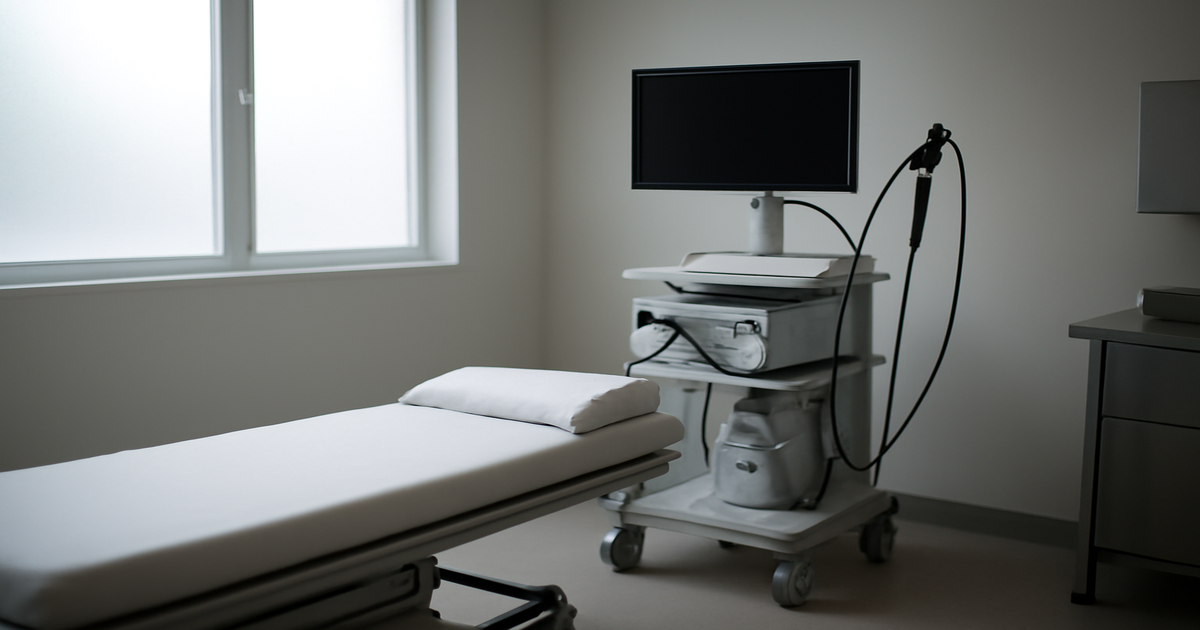
Every other year, millions of South Korean adults receive a letter from the National Health Insurance Service inviting them to a general health examination. The checkup is free or close to it, available at thousands of designated clinics and hospitals, and so routine that many workplaces treat it as a calendar fixture alongside year-end tax settlement. Layered on top is the National Cancer Screening Program, which covers six cancers at set ages and intervals. Together they form one of the most comprehensive population screening regimes in the world, and they have reshaped how Koreans encounter disease.
The design reflects the country’s particular cancer profile. Stomach cancer, long among the most common cancers in Korea, is screened with upper endoscopy every two years from age 40, a far more invasive and sensitive approach than most Western countries use. Liver cancer surveillance targets people with hepatitis B or C or cirrhosis, reflecting the historical burden of viral hepatitis. Colorectal, breast and cervical screening follow patterns familiar elsewhere, and low-dose CT for lung cancer was added for heavy smokers in their mid-50s to mid-70s in the late 2010s. Because the insurer that pays for treatment also runs screening, results flow into a single national database that researchers mine for long-term outcomes.
The most visible payoff is stage at diagnosis. Korean gastric cancers are now frequently found while still confined to the stomach lining, when they can often be removed endoscopically without open surgery or chemotherapy. Korea’s survival rates for stomach and colorectal cancer are widely cited as among the highest internationally, and while better surgery, rising incomes and broad insurance coverage all play a part, early detection is a central reason. A tumor caught small is not only more survivable but cheaper to treat, which is the economic logic the insurer has long relied on to justify the program.
The same machinery, however, produced one of the best-known cautionary tales in modern epidemiology. In the 2000s, hospitals and private checkup centers began offering thyroid ultrasound as an inexpensive add-on, and thyroid cancer diagnoses surged to levels unseen anywhere else, while deaths from the disease barely moved. Most of the tumors found were small, slow-growing papillary cancers that would likely never have caused harm. Many patients nonetheless underwent surgery and lifelong hormone therapy. After a group of physicians publicly warned of overdiagnosis in the mid-2010s, screening of people without symptoms fell back and diagnoses declined, an episode now taught as evidence that finding more cancer is not the same as saving more lives.
That tension runs through the economics of the system. The public checkups are relatively cheap per person, but they sit alongside a large private market for comprehensive health checkups, often sold by major hospitals as premium packages including whole-body CT, MRI or tumor markers of uncertain value. Employers frequently pay for these as a perk. Incidental findings lead to follow-up scans, biopsies and specialist visits, some of them reimbursed by national insurance. In a health system already marked by very high outpatient visit rates and fee-for-service incentives, screening can feed demand as easily as it trims treatment costs.
There are also gaps in who benefits. Participation tends to be lower among low-income households, the self-employed and older adults living alone, groups that often carry higher risk. Officials have tried reminders, mobile screening and expanded eligibility for younger adults, but the people most likely to skip a free checkup are often those least connected to the institutions that schedule it.
Korea’s experience therefore offers a two-sided lesson for other countries. A state that makes screening easy, cheap and socially expected can shift entire cancers toward earlier, more curable stages. But the same ease invites overuse, and the hard policy work lies less in expanding access than in deciding which tests are genuinely worth offering to everyone, and which are better left on the shelf.